


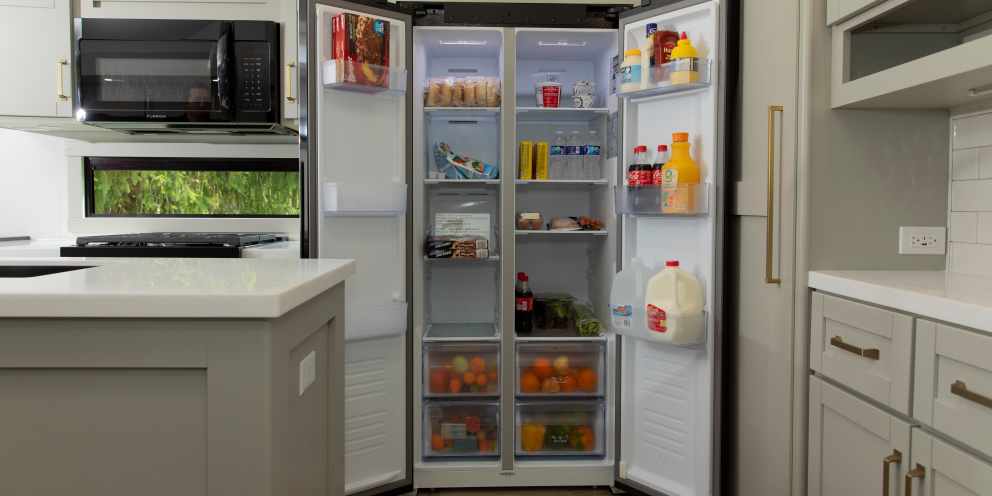
RV refrigerator types refer to the different cooling technologies and power configurations used in recreational vehicles. The most common categories are absorption refrigerators, compressor refrigerators, 2-way refrigerators, 3-way refrigerators, 12V DC refrigerators, and residential-style 120V AC refrigerators.
Each option differs in how it cools, what power sources it uses, how much energy it consumes, and how well it fits specific travel styles. Choosing the right RV refrigerator affects food safety, storage capacity, battery performance, propane usage, and overall camping convenience.
Introduction to RV Refrigerators
An RV refrigerator does the same basic job as a household refrigerator, but it operates under very different conditions. RVs experience vibration, changing temperatures, limited power availability, and space constraints that residential appliances never encounter.
The right refrigerator can improve food preservation, reduce energy consumption, support off-grid adventures, and maximize available living space. The best choice often depends on how you travel, where you camp, and what power systems your RV uses. Understanding how RV refrigerators work is the first step toward selecting the best model for your needs.
How RV Refrigerators Work
RV refrigerators use one of two primary cooling methods:
1. Absorption Refrigeration
Absorption refrigerators use heat to drive a chemical cooling process. The heat source can come from propane gas, a 120V electric heating element, or both. Because they rely on heat rather than a mechanical compressor, absorption units operate quietly and can run for extended periods on propane.
2. Compressor Refrigeration
Compressor refrigerators use the same basic refrigeration cycle found in residential refrigerators. A compressor circulates refrigerant through a closed system to remove heat from the refrigerator compartment. These refrigerators cool quickly, maintain more consistent temperatures, and perform better in hot weather than most absorption models.
Core RV Refrigerator Types
Absorption RV Refrigerators
Absorption refrigerators have been a staple of RVs for decades. They use a heat-driven cooling system powered by propane, electricity, or both. These refrigerators are often found in traditional travel trailers, 5th wheels, and motorhomes because of their ability to run efficiently on propane during extended trips.
Key characteristics include:
- Heat-driven cooling technology
- Can operate without a large battery bank
- Very quiet operation
- Requires proper ventilation
- Performs best when the RV is relatively level
Compressor RV Refrigerators
Compressor refrigerators use electric power and a mechanical compressor to create cooling. They have become increasingly popular in modern RVs because of improvements in lithium batteries, solar technology, and energy-efficient compressor systems.
Key characteristics include:
- Rapid cooling performance
- Consistent temperatures
- Better operation in high ambient temperatures
- No propane required
- Typically lower ventilation requirements
2-Way RV Refrigerators
A 2-way refrigerator is usually an absorption refrigerator that operates on:
- Propane
- 120V AC shore power
This configuration gives RV owners flexibility when switching between campground hookups and off-grid camping.
3-Way RV Refrigerators
A 3-way refrigerator expands the power options available to an absorption refrigerator. These units typically operate on:
- Propane
- 120V AC
- 12V DC
The additional 12V mode allows cooling while traveling, making them attractive for RVers who frequently move between destinations.
12V DC RV Refrigerators
A 12V RV refrigerator is generally a compressor-based refrigerator designed specifically for battery-powered operation. Modern 12V refrigerators have become a preferred choice for many RV owners because they pair well with:
- Solar systems
- Lithium battery banks
- Off-grid camping setups
- Van conversions
Many modern RV manufacturers now install 12V compressor refrigerators as standard equipment.
120V AC / Residential-Style RV Refrigerators
Residential-style refrigerators are essentially household refrigerators adapted for RV installations. These units offer:
- Larger storage capacity
- Familiar layouts
- Strong cooling performance
- Residential convenience
Because they depend on electricity, they typically require shore power, a generator, or an inverter-powered battery system.

Other RV Refrigerator Types & Configurations
Many RV refrigerator categories are based on power source, size, design, or specialized functionality rather than core cooling technology.
Power-Based Labels
Propane RV Refrigerators
Most propane refrigerators are absorption-based systems that can operate without significant battery consumption.
Electric RV Refrigerators
Electric refrigerators generally include:
- 12V DC compressor refrigerators
- 120V AC residential-style refrigerators
- Hybrid electric compressor models
Portable & Small-Format Options
Portable RV Refrigerators
Portable compressor coolers are popular for:
- Truck campers
- Tailgating
- Boats
- Day trips
Mini RV Refrigerators
Compact refrigerators are useful in:
- Small travel trailers
- Toy haulers
- Camper vans
- Outdoor kitchen installations
Thermoelectric RV Refrigerators
Thermoelectric coolers use semiconductor technology rather than traditional refrigeration systems. Advantages include:
- Lightweight construction
- Minimal moving parts
- Easy portability
Limitations include reduced cooling capability in hot weather.
Design & Layout Styles
Several refrigerator formats are available regardless of cooling technology:
-
French door refrigerators: Feature dual upper doors and a lower freezer drawer. They maximize organization and accessibility.
-
Bottom-freezer refrigerators: Provide easier access to frequently used refrigerated items.
-
Dual-swing door refrigerators: Allow doors to open from either side, enhancing installation flexibility.
- Drawer-style refrigerators: Common in luxury RVs and outdoor kitchens where space efficiency is important.
Specialized Features
Dual-Zone RV Refrigerators
Dual-zone refrigerators allow independent temperature control between compartments. Benefits include:
- Refrigerator and freezer flexibility
- More efficient food storage
- Improved organization
Absorption vs. Compressor RV Fridge Comparison
The debate between an absorption vs compressor RV fridge is one of the most common considerations for RV buyers.
| Feature | Compressor Refrigerator | Absorption Refrigerator |
|---|---|---|
| Power Source | 12V DC (battery), solar-ready | Propane, AC, or DC power |
| Cooling Speed | Fast and consistent | Slower |
| Energy Efficiency | High | Lower |
| Noise Level | Moderate (compressor hum) | Quieter (no moving parts) |
| Off-Grid Compatibility | Great with solar setups | Great with propane |
| Requires RV to Be Level | No | Yes |
| Maintenance | Minimal | May require vent cleaning, leveling |
| Cost | Higher upfront | Lower upfront |
Side-by-Side Comparison of Core Types
| Refrigerator Type | Power Sources | Cooling Performance | Energy Efficiency | Noise | Ventilation Needs | Typical Cost |
|---|---|---|---|---|---|---|
| Absorption | Propane, 120V | Moderate | Excellent on propane | Silent | High | Higher |
| 2-Way | Propane, 120V | Moderate | Good | Silent | High | Moderate |
| 3-Way | Propane, 120V, 12V | Moderate | Good | Silent | High | Higher |
| 12V Compressor | 12V DC | Excellent | Very good | Low | Low | Moderate |
| Residential 120V | 120V AC | Excellent | Varies | Low | Low | Moderate to High |
RV Fridge Size & Capacity Considerations
Choosing the correct RV fridge size and capacity is just as important as selecting the cooling method.
Typical Capacity Ranges
| Capacity | Best For |
|---|---|
| 1–4 cu. ft. | Vans, truck campers, weekend trips |
| 5–8 cu. ft. | Couples and short vacations |
| 9–12 cu. ft. | Small families |
| 13–18 cu. ft. | Full-time RVers |
| 18+ cu. ft. | Large families and residential-style setups |
Matching Capacity to Travel Style
A solo traveler or couple taking weekend trips often needs significantly less storage than a family living full-time in an RV. Consider:
- Number of travelers
- Trip duration
- Access to grocery stores
- Frozen food needs
- Beverage storage requirements
Space, Weight & Venting Constraints
Before replacing an existing refrigerator, verify:
- Cabinet opening dimensions
- Door clearance
- Weight limitations
- Vent locations
- Electrical capacity
- Propane availability
Different RV classes may present unique installation challenges, particularly in compact Class B vans and smaller travel trailers.
RV Refrigerator Power Consumption & Energy Planning
Understanding RV refrigerator power consumption helps prevent battery shortages and improves system planning.
Absorption Refrigerator Energy Use
When operating on propane, absorption refrigerators consume very little battery power. The battery primarily powers control electronics and ignition systems. Propane usage varies by refrigerator size, ambient temperature, and operating conditions.
12V Refrigerator Energy Use
A modern 12V compressor refrigerator commonly averages between 30 and 80 amp-hours per day, though actual consumption varies widely based on:
- Refrigerator size
- Temperature settings
- Ambient conditions
- Insulation quality
- Door-opening frequency
Residential Refrigerator Energy Use
Residential refrigerators typically consume more total energy than a purpose-built RV compressor refrigerator, although Energy Star-style efficiency improvements have narrowed the gap.
Solar & Battery Planning
For off-grid travelers, power planning should consider:
- Daily refrigerator consumption
- Battery bank size
- Solar panel output
- Seasonal weather conditions
- Backup charging methods
A properly sized lithium battery and solar system can support many compressor refrigerators for extended periods without shore power.
Choosing the Right RV Refrigerator for Your Lifestyle
Best RV Fridge for Boondocking
The best RV fridge for boondocking often depends on available resources. A propane-powered absorption refrigerator works well for travelers with limited battery capacity. A 12V compressor refrigerator excels when paired with solar panels and lithium batteries. The decision frequently comes down to whether propane or electrical storage is the primary energy source.
Campground & Full-Hookup Campers
Campers who spend most nights connected to shore power can comfortably choose:
- Residential refrigerators
- Large compressor refrigerators
- High-capacity electric models
Consistent utility power removes many energy limitations.
Weekend & Occasional RVers
Occasional travelers often prioritize:
- Simplicity
- Lower cost
- Minimal maintenance
2-way absorption refrigerators and compact 12V models are frequently good fits.
Full-Time RVers
Full-time travelers typically benefit from:
- Larger capacities
- Reliable temperature control
- Greater food storage flexibility
Compressor and residential refrigerators often provide the best balance of performance and convenience.
Van Life & Small RV Owners
Compact spaces require efficient use of every inch. 12V compressor refrigerators are especially popular because they:
- Fit smaller layouts
- Require less ventilation
- Pair well with solar systems
- Deliver excellent cooling performance
Large Families & Group Travelers
Storage becomes a priority when feeding several people. Larger compressor refrigerators and residential-style models provide the capacity necessary for longer trips without frequent grocery stops.
Frequent Travel & Drive-Day RVers
Travelers who regularly change destinations benefit from refrigerators that perform reliably while in motion. 3-way models and modern 12V compressor refrigerators are common choices because they maintain cooling without constant hookup access.
Tailgaters and Event-Goers
Portable refrigerators and thermoelectric coolers offer:
- Fast setup
- Easy transport
- Temporary food and beverage storage
They are ideal when a permanent RV refrigerator is unnecessary.
Modern RV Refrigeration Solutions
As RV power systems continue evolving, many manufacturers are incorporating advanced 12V compressor refrigeration into their designs. Brands such as Furrion have focused on products that align with modern RV trends, including energy-efficient operation, compact footprints, and compatibility with contemporary battery and solar systems.
When comparing models, prioritize cooling performance, capacity, power requirements, and installation compatibility before focusing on brand-specific features.
Frequently Asked Questions About RV Refrigerator Types
1. What type of RV refrigerator is best for boondocking?
For extended off-grid camping, the best choice is often either a propane-powered absorption refrigerator or a 12V compressor refrigerator supported by adequate batteries and solar charging.
2. Is a 12V fridge better than propane?
Not necessarily. A 12V fridge offers faster cooling and better temperature consistency, while propane refrigerators can operate longer without requiring large battery banks.
3. Can I replace an absorption fridge with a compressor model?
Yes, many RV owners upgrade from absorption to compressor refrigerators. Verify cabinet dimensions, electrical capacity, ventilation requirements, and battery system capabilities before making the change.
4. How much power does an RV fridge use?
Power consumption varies significantly. A modern 12V compressor refrigerator may use roughly 30–80 amp-hours per day, while an absorption refrigerator running on propane uses minimal battery power.
5. What size RV refrigerator do I need?
Capacity should reflect the number of travelers, trip length, and food storage habits. Couples often do well with 5–8 cubic feet, while full-time families may prefer 12–18 cubic feet or more.
6. Do compressor refrigerators work better in hot weather?
Yes, compressor refrigerators generally maintain colder temperatures and recover more quickly after door openings during high ambient temperatures.
7. Do absorption refrigerators need to be level?
Yes, most absorption refrigerators perform best when the RV is relatively level. Extended operation on steep angles can affect cooling performance.
8. Are residential refrigerators practical in an RV?
They can be an excellent solution for full-time RVers and campground-focused travelers, provided shore power, generator power, or a properly sized inverter and battery system are available.
The Smarter Alternative to Reversing Your RV Fridge Door