


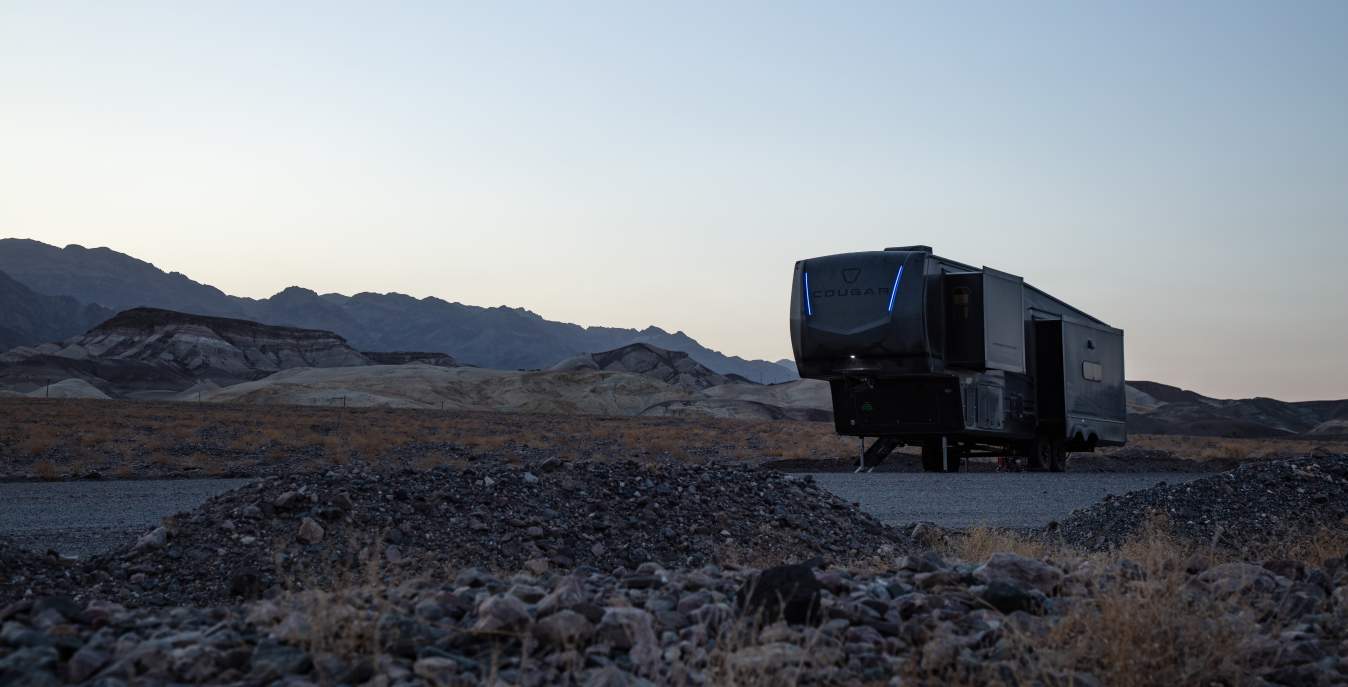
Running an RV AC on a generator means powering your RV’s rooftop air conditioner using a portable or onboard generator instead of campground shore power. This setup allows you to stay cool when boondocking, dry camping, or dealing with limited electrical hookups, but it requires careful attention to power demands, generator sizing, and safe operation. Air conditioners are among the most energy-intensive appliances in an RV, so understanding RV AC power requirements and how your specific equipment behaves is essential for reliable, efficient cooling.
Why Run Your RV AC on a Generator?
Many RV owners rely on generators to keep their air conditioner running when shore power is unavailable or unreliable. Boondocking on public lands, overnighting at rest areas, camping in older parks with limited electrical service, or riding out a power outage at home are all common scenarios where generator-powered cooling becomes necessary.
The challenge is that traditional RV air conditioners draw significant power, especially during startup. That can lead to tripped breakers, stalled generators, excessive noise, and higher fuel consumption if the system is not properly matched. In recent years, newer rooftop designs have focused on efficiency and smoother power delivery. Variable-speed RV rooftop air conditioners are one example of how technology is making generator-powered cooling more practical without forcing owners to haul oversized equipment.

Understanding RV AC Power Requirements
What BTU Ratings Really Mean
BTU, or British Thermal Unit, ratings describe how much heat an air conditioner can remove from the RV interior. Common rooftop RV AC sizes range from 13,500 BTU to 15,000 BTU, with higher-capacity units around 18,000 BTU designed for larger rigs or hotter climates. Higher BTU ratings generally mean more cooling potential, but they also tend to require more electrical power.
BTU alone does not tell the full story. Two air conditioners with the same BTU rating can have very different power demands depending on compressor design, efficiency, and control electronics.
Starting Watts vs. Running Watts
When evaluating RV AC power requirements, it is critical to understand the difference between starting watts and running watts. Running watts represent the power the air conditioner needs once it is operating steadily. Starting watts, sometimes called surge watts, are the brief but much higher power draw required to start the compressor.
Traditional fixed-speed compressors can draw two to three times their running wattage for a split second at startup. For a generator, that surge is often the limiting factor. A unit may be able to handle the running load but still stall or trip when the AC tries to start.
Why Compressor Design Matters
Fixed-speed compressors turn on at full power every time cooling is needed. That on-off cycling creates repeated high startup surges, which can overwhelm smaller generators. In contrast, variable-speed and inverter-style systems ramp up gradually. By reducing the intensity of startup surges, these designs can make it easier to run an RV air conditioner on a generator with a lower peak output.
Choosing the Right Generator for Your RV AC
Determining Your Total Wattage Needs
Sizing a generator starts with understanding the total electrical load in your RV. The air conditioner is usually the largest single draw, but it is rarely the only one.
To estimate your needs:
- Identify the running and starting watts of your RV air conditioner from the manufacturer’s specifications.
- Add the running wattage of other essential loads, such as the refrigerator, converter or charger, water heater (if electric), and outlets.
- Consider whether those loads will operate simultaneously with the AC.
For example, a typical 13,500-BTU air conditioner might require roughly 1,300 to 1,600 running watts, with much higher starting demands. Larger or higher-performance units can exceed that range. Always verify actual specifications rather than relying on averages.
Inverter vs. Conventional Generators
Inverter generators are often preferred for RV use. They produce cleaner, more stable power that is better suited for sensitive electronics. They are also typically quieter and more fuel-efficient, especially at partial loads.
Conventional generators can supply high output at a lower upfront cost, but they tend to be louder and less efficient when running below maximum capacity. In campgrounds with noise restrictions, inverter models are usually the better fit for running RV AC on a generator.
Right-Sizing for Comfort & Flexibility
Many RV owners consider a 2,000-watt class inverter generator because of its portability and relatively quiet operation. However, these generators leave little margin if the air conditioner has a large startup surge or if other appliances are running.
Larger 3,000 to 4,500-watt generators provide more headroom and flexibility but come with increased weight, noise, and fuel consumption. The choice often comes down to camping style. If you frequently camp off-grid and value portability, pairing a smaller generator with a more efficient RV air conditioner for small generator use can be a practical solution.
How the RV AC Itself Impacts Generator Requirements
Not All Rooftop Units Draw Power the Same Way
It is a common assumption that all rooftop RV air conditioners with similar BTU ratings behave similarly on generator power. In reality, efficiency, compressor technology, and control systems can significantly affect how much power the unit demands and how smoothly it starts.
Older designs often prioritize raw cooling output without considering generator compatibility. Newer systems are increasingly engineered with limited power sources in mind.
Variable-Speed & Inverter-Style RV Air Conditioners
Variable-speed compressors adjust their output to match cooling demand rather than cycling on and off at full power. This approach can reduce overall energy consumption, lower noise levels, and minimize startup surges.
For generator use, that smoother ramp-up can be a key advantage. Instead of demanding a sudden spike in wattage, the system increases power gradually, which is easier for smaller generators and inverter-based power systems to handle.
Furrion Chill® Cube as an Example of Generator-Friendly Design
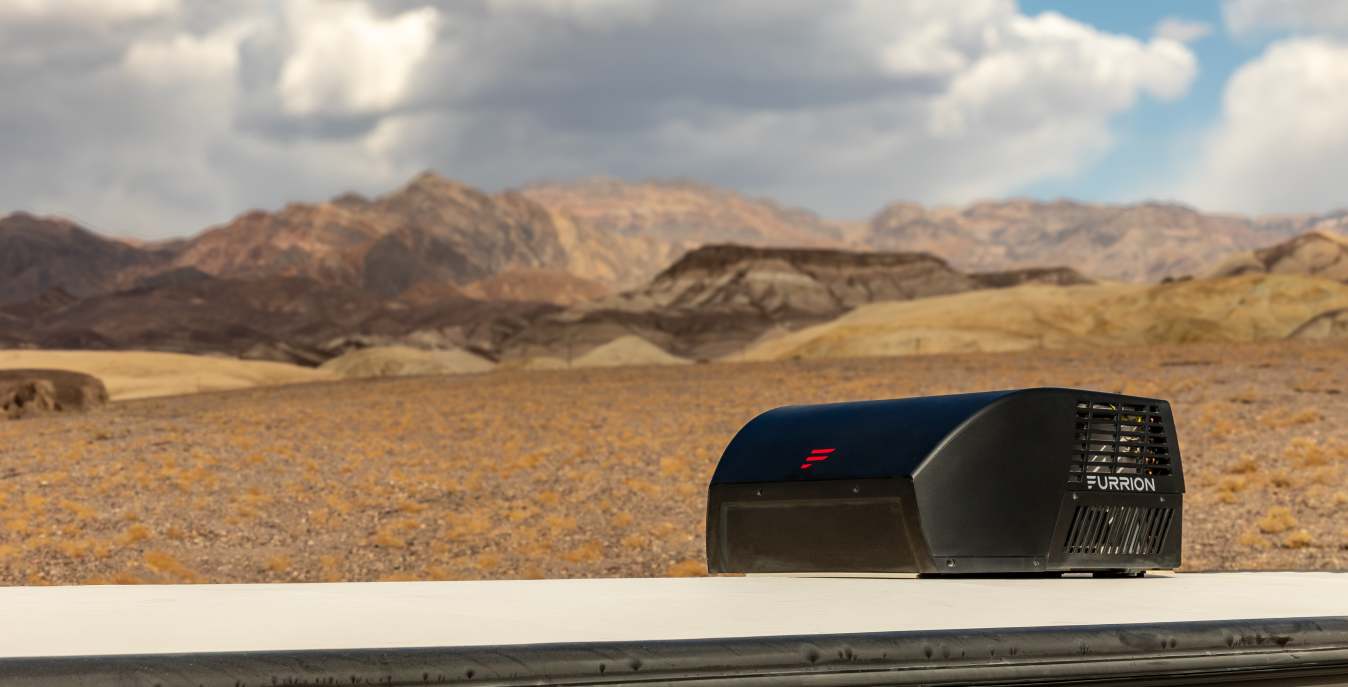
The Furrion Chill Cube 18K RV AC is an example of a modern rooftop unit designed with variable-speed compressor technology. It is an 18,000-BTU air conditioner engineered to deliver strong cooling performance while managing power draw more efficiently.
The Chill Cube is designed to work with a 2,000W generator, inverter, or lithium battery setup, which makes it relevant for RVers who rely on portable power rather than full hookups. It also uses R32 refrigerant and is positioned as a quieter, energy-efficient comfort solution for the road. In this context, it illustrates the type of RV air conditioner for small generator use that owners should evaluate when upgrading or replacing an existing unit.
Safe Setup: How to Run Your RV AC on a Generator the Right Way
Connection Basics
Before starting the generator, ensure your RV is set up correctly for external power. This typically involves plugging the shore power cord into the generator using the appropriate adapter and verifying that any transfer switch or shore power selector is set correctly.
Always follow both the RV manufacturer’s and generator manufacturer’s instructions regarding grounding and electrical connections. Improper setup can damage equipment or create safety hazards.
Ventilation & Generator Placement
Generators must always be operated outdoors, well away from doors, windows, and vents. Carbon monoxide is colorless and odorless, and improper placement can quickly lead to dangerous conditions inside the RV. Position the generator on stable ground, with adequate airflow around it, and never run it in enclosed or partially enclosed spaces.
Load Management Best Practices
When running RV AC on a generator, managing electrical loads is essential. A common approach is to turn off non-essential appliances before starting the air conditioner. Once the AC is running steadily, additional small loads can be added one at a time while monitoring generator performance.
Efficient rooftop units with variable-speed operation may allow a bit more flexibility, but total wattage should always remain within the generator’s rated capacity.
Factors That Affect Performance When Using a Generator
Altitude & Ambient Temperature
Generator output decreases at higher elevations due to reduced air density. Extreme heat can also reduce efficiency. At the same time, hot weather increases the cooling load on the air conditioner. These combined effects mean that a setup that works comfortably at sea level may struggle in mountainous or desert environments.
Generator Condition & Fuel Quality
A well-maintained generator is critical for stable output. Dirty air filters, old oil, clogged fuel systems, or incorrect fuel can all reduce available power. Running a generator near empty can also cause voltage instability, which is hard on air conditioner compressors.
Routine maintenance helps ensure that the generator can deliver consistent power when the AC demands it.
RV Insulation & Layout
The RV itself plays a major role in cooling performance. Poor insulation, large windows, and frequent door openings increase heat gain and force the air conditioner to work harder. In these cases, even an efficient AC and generator combination may struggle to maintain comfortable temperatures.
Improving insulation, using window coverings, and reducing direct sun exposure can make a noticeable difference, especially when relying on a smaller generator.
Common Mistakes to Avoid
One of the most common mistakes is choosing a generator based solely on running watts without accounting for startup surge. This often leads to frustration when the air conditioner fails to start reliably.
Another issue is overestimating what a 2,000W generator can handle when multiple appliances are running. Even with an efficient AC, simultaneous use of high-draw devices can exceed capacity.
Safety mistakes are also critical. Running a generator too close to the RV or in enclosed areas creates serious carbon monoxide risks. Electrical mistakes, such as ignoring transfer switch procedures, can damage equipment.
Finally, many owners overlook the impact of the air conditioner itself. Assuming all rooftop units draw power the same way can prevent exploration of more efficient options, such as variable-speed systems like the Chill Cube.
Tips for Maximizing Comfort & Efficiency on Generator Power
Pre-cooling the RV before peak heat can reduce the workload on the air conditioner once temperatures rise. Keeping doors and windows closed as much as possible helps maintain that cooled interior.
Parking in shade, deploying awnings, and using reflective window coverings all reduce heat gain. Orienting the RV to minimize sun exposure on large windows can also help.
Thermostat settings matter. Setting the temperature unrealistically low forces the AC to run continuously at higher output. A moderate, sustainable setting improves comfort while reducing power draw.
For compatible systems, using variable-speed or eco-style modes can help maintain steady temperatures with less noise and lower generator load. Routine maintenance, such as cleaning AC filters and keeping rooftop coils free of debris, preserves efficiency over time.
Matching Your AC, Generator, & Camping Style
Reliable generator-powered cooling depends on matching three elements: the air conditioner, the generator, and how you camp. Understanding RV AC power requirements, sizing the generator conservatively, and managing loads are all part of the equation.
Upgrading to a more efficient, generator-friendly rooftop unit can expand what is possible with smaller, quieter power sources. A product like the Furrion Chill Cube, with variable-speed operation and compatibility with 2,000W generator and inverter setups, is an example of a solution designed for off-grid and limited-power RV use.
For RVers who frequently camp away from hookups, aligning equipment choices with real-world power availability can make the difference between struggling to stay cool and enjoying consistent comfort.
FAQs About Running an RV AC on a Generator
Running RV AC on a generator raises a lot of practical questions, especially around generator size, startup demands, and what is realistically safe to run at the same time. The answers often depend on how your air conditioner is designed, how much power your generator can deliver, and how you manage loads inside the RV.
The following FAQs address the most common concerns RV owners have when using generator power for cooling, with clear, technically grounded explanations to help you make informed decisions and avoid common mistakes.
1. Can you run an RV air conditioner on a 2,000W generator?
It depends on the air conditioner’s startup and running wattage. Some modern, variable-speed units are designed to operate within a 2,000W generator’s limits, while many traditional fixed-speed units are not.
2. What size generator do I need for a 15,000-BTU RV AC?
Many 15,000-BTU units require more than 2,000W due to startup surge. A generator in the 3,000W range often provides a safer margin, but manufacturer specifications should always be checked.
3. Why does my generator struggle when the AC starts?
The startup surge from a fixed-speed compressor can exceed the generator’s capacity. Voltage drops or overload protection may cause the generator to stall or shut down.
4. Are inverter generators better for running an RV AC?
Inverter generators provide cleaner, more stable power and are typically quieter and more fuel-efficient. They are often better suited for RV air conditioners and sensitive electronics.
5. How does a variable-speed RV air conditioner help with generator use?
Variable-speed compressors ramp up gradually and adjust output to demand. This reduces startup surge and can keep overall power draw more manageable for smaller generators.
6. Is it safe to run my generator overnight?
It can be safe if the generator is designed for extended use, properly maintained, and placed outdoors with adequate ventilation. Noise restrictions and campground rules should also be considered.
7. Does altitude affect generator-powered RV AC performance?
Yes, higher elevations reduce generator output and can make it harder to start and run an air conditioner, especially in hot conditions.

Why Chill® Cube Is the Best RV Air Conditioner for Boondocking
What to Look for in an Off‑Grid RV Air Conditioner