


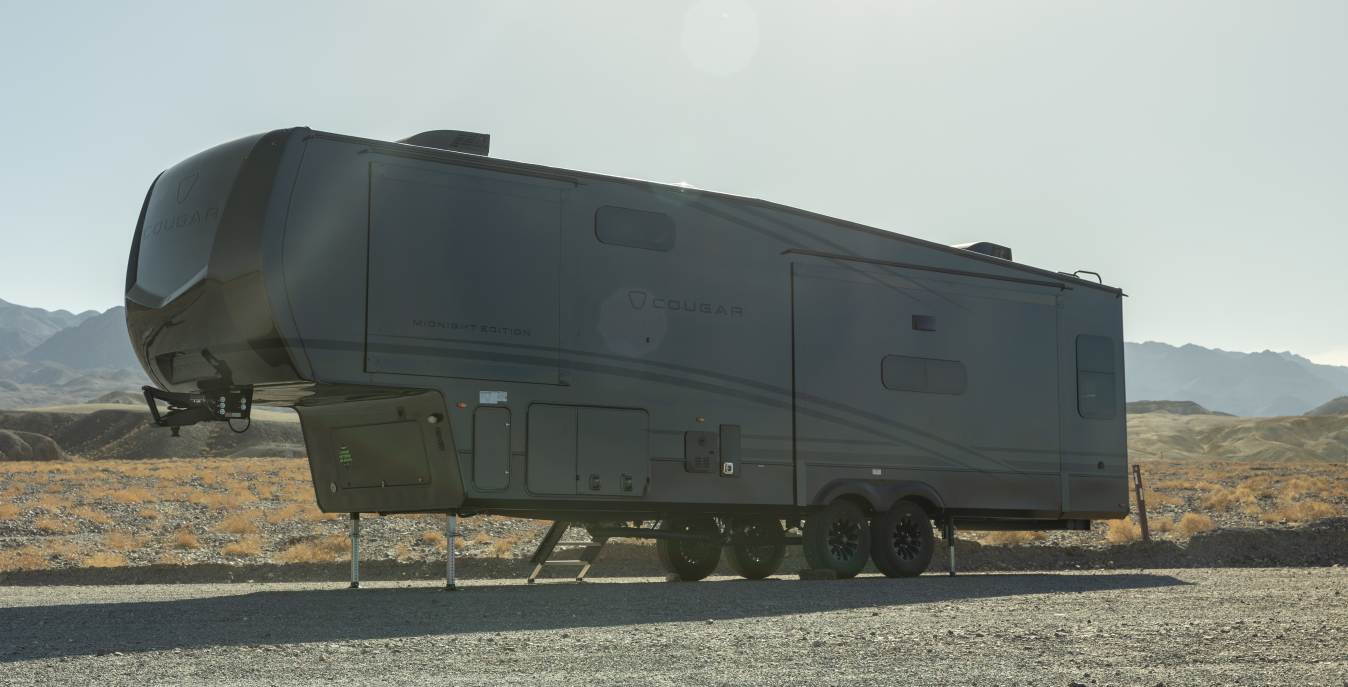
A high-efficiency RV AC refers to an air conditioning system designed to deliver effective cooling while using significantly less electrical power than traditional RV rooftop units. For RV owners, especially boondockers who rely on limited power sources, like batteries and generators, a high-efficiency RV AC reduces energy draw, extends off-grid runtime, and improves overall comfort without overtaxing the electrical system. These systems achieve higher efficiency through advanced compressor technology, smarter power management, and improved airflow design, making them a critical upgrade for modern RV travel.
What Does “High Efficiency” Mean for an RV Air Conditioner?
In the RV world, “high efficiency” does not mean the same thing as residential SEER ratings, which are rarely published for RV units. Instead, efficiency is evaluated by how much cooling an air conditioner can deliver relative to the power it consumes and how well it manages startup and runtime loads.
A high-efficiency RV AC typically uses fewer amps to maintain interior temperature, rather than cycling aggressively on and off. It also minimizes energy waste during startup, which is one of the biggest power challenges in RV air conditioning. For boondockers, this translates into longer battery life, less generator run time, and more predictable power planning.
Efficiency also includes how evenly and consistently the unit cools the RV. A system that maintains temperature without wide swings reduces total runtime, which further lowers energy consumption.
Why Efficiency Matters More When Boondocking
Boondocking places strict limits on available power. When you are running off batteries, solar, or a portable generator, every amp matters. Traditional RV air conditioners often require a high surge of power at startup and then continue to draw significant current while running. This can quickly overwhelm inverters, trip breakers, or drain battery banks.
A high-efficiency RV AC is better suited to off-grid use because it is designed to:
- Reduce startup power demands
- Operate effectively at lower, more consistent power levels
- Integrate more smoothly with inverter-based electrical systems
For boondockers, efficiency is all about making air conditioning possible in situations where it was previously impractical or impossible.

How High-Efficiency RV AC Technology Works
High-efficiency RV air conditioners rely on a combination of electrical and mechanical advancements. The most important difference is how the compressor operates and how power is managed during operation.
Inverter-Driven Compressor Technology
Many high-efficiency RV AC units use inverter technology. Instead of running the compressor at a single fixed speed, an inverter-driven compressor can ramp up or down based on cooling demand. This allows the system to avoid the repeated hard starts associated with traditional compressors.
By adjusting compressor speed, the air conditioner maintains a more stable interior temperature while using less energy overall. The reduced startup load is especially important for RVers running on battery power or smaller generators.
Soft Start & Controlled Power Draw
High-efficiency designs focus on smoothing out power consumption. Rather than pulling a large surge of amperage when the compressor starts, these systems gradually increase power draw. This controlled startup reduces stress on electrical components and makes the unit more compatible with inverters and energy management systems.
This is one of the key reasons high-efficiency RV AC units are favored by boondockers. Lower surge requirements expand the range of power setups that can realistically support air conditioning.
Improved Airflow & Heat Exchange
Efficiency is not only about electrical components. High-efficiency RV AC units also optimize airflow and heat transfer. Better fan design, improved ducting compatibility, and more effective evaporator and condenser coils help move heat out of the RV faster.
When heat exchange is more effective, the system does not need to run as long or as hard to achieve the desired temperature. This directly reduces energy consumption.
High-Efficiency vs. Traditional RV Air Conditioners
The difference between a high-efficiency RV AC and a conventional unit becomes most obvious in off-grid scenarios. Traditional RV air conditioners typically operate at full capacity whenever they are on. This leads to frequent cycling, higher peak power demands, and less consistent interior temperatures.
A high-efficiency RV AC, by contrast, focuses on steady operation. It adapts to changing conditions, such as outdoor temperature and interior heat load, rather than relying on simple on-off cycles.
Key differences include:
- Power usage: High-efficiency units draw less power during normal operation
- Startup load: Reduced surge makes them easier to run on inverters
- Temperature control: More stable cooling improves comfort
- System stress: Smoother operation reduces wear on electrical and mechanical components
For RVers who spend most of their time in full-hookup campgrounds, these differences may feel incremental. For boondockers, they are often the deciding factor in whether air conditioning is usable at all.
Battery, Solar, & Generator Considerations
A high-efficiency RV AC works best as part of a balanced power system. While efficiency reduces energy demand, it does not eliminate the need for thoughtful power planning.
Battery capacity determines how long the air conditioner can run without recharging. Solar helps replenish energy during daylight hours, but output varies with weather and panel size. Generators provide backup power but introduce noise, fuel consumption, and maintenance.
Because high-efficiency RV AC units reduce overall draw and startup surge, they allow more flexibility across all three power sources. Many boondockers find they can run their air conditioner for shorter bursts on battery power or rely on smaller generators than would be required with a conventional unit.
Installation & Compatibility Factors
High-efficiency RV air conditioners are designed to fit standard rooftop openings, but electrical compatibility should always be evaluated. Inverter-based systems often benefit from modern electrical infrastructure, including lithium batteries and appropriately sized inverters.
Proper installation is critical to achieving advertised efficiency benefits. This includes correct sealing, secure mounting, and integration with the RV’s existing thermostat and control systems. Ducted and non-ducted configurations also influence airflow performance and overall efficiency.
Real-World Benefits of a High-Efficiency RV AC Unit
For boondockers, the benefits of a high-efficiency RV AC are practical and measurable. Reduced power draw means fewer compromises between comfort and independence. Longer battery life allows for extended stays in remote locations without constant generator use.
Additional benefits include quieter operation due to smoother compressor behavior and improved interior comfort thanks to consistent temperature control. Over time, reduced system strain can also contribute to longer component life.
Furrion’s Approach to HE RV Air Conditioning
After understanding how efficiency impacts off-grid comfort, it becomes easier to evaluate specific product solutions. Furrion has focused on developing RV air conditioners that align with modern power systems and real-world travel patterns.
The Furrion Chill® Cube 18K & Efficiency-Focused Design
The Furrion Chill Cube is designed as a high-efficiency RV AC solution built around inverter technology. Its variable-speed operation allows it to adjust cooling output based on demand rather than running at a constant, full-power cycle.
This design supports lower power consumption during steady operation and reduces startup load, which is especially valuable for boondockers using battery and inverter systems. By maintaining consistent cooling instead of aggressive cycling, the Chill Cube prioritizes efficiency, comfort, and power system compatibility.
Rather than positioning efficiency as a single feature, the Chill Cube integrates electrical performance, airflow optimization, and modern controls into a cohesive system. For RVers evaluating high-efficiency RV AC options at the consideration stage, it represents a solution engineered specifically for today’s off-grid and hybrid travel styles.
Is a High-Efficiency RV AC Worth It?
The value of a high-efficiency RV AC depends on how you travel. For boondockers and RVers who frequently camp without hookups, efficiency directly impacts usability. It determines how often you can run your air conditioner, how long your batteries last, and how much you rely on generators.
Even for travelers who split time between campgrounds and off-grid sites, a high-efficiency system can reduce electrical strain and improve comfort. As RV electrical systems continue to evolve, efficient air conditioning is becoming less of a luxury and more of a practical necessity.
FAQs About High-Efficiency RV AC Units
Choosing the right high-efficiency RV AC often comes with practical questions, especially when power availability, installation compatibility, and off-grid use are top concerns. The answers below address the most common considerations RV owners have when evaluating efficiency-focused air conditioning systems, with a specific emphasis on real-world boondocking scenarios.
1. What makes an RV AC “high efficiency”?
A high-efficiency RV AC delivers effective cooling while using less power, especially during startup and steady operation. This is typically achieved through inverter-driven compressors and improved airflow design.
2. Can a high-efficiency RV AC run on batteries?
Yes, many high-efficiency RV AC units are better suited for battery and inverter systems because they have lower startup surge and more consistent power draw.
3. Is high-efficiency RV AC only for boondockers?
No, but boondockers benefit the most. Campground travelers may still appreciate quieter operation, improved comfort, and reduced electrical strain.
4. Does inverter technology improve cooling performance?
Inverter technology improves efficiency and temperature stability rather than raw cooling capacity. It helps maintain comfort without frequent on-off cycling.
5. Are high-efficiency RV AC units harder to install?
Installation is similar to traditional rooftop units, but electrical compatibility should be evaluated to ensure the RV’s power system can support the technology.
6. Does a high-efficiency RV AC replace the need for a generator?
Not entirely. Efficiency reduces generator reliance, but extended air conditioner use may still require supplemental power depending on battery capacity and conditions.
7. How does the Furrion Chill Cube support efficient RV cooling?
The Chill Cube uses inverter-based operation and efficiency-focused design to reduce power draw while maintaining consistent interior temperatures.
What to Consider When Running Your RV AC on Solar Power
Why Chill® Cube Is the Best RV Air Conditioner for Boondocking