


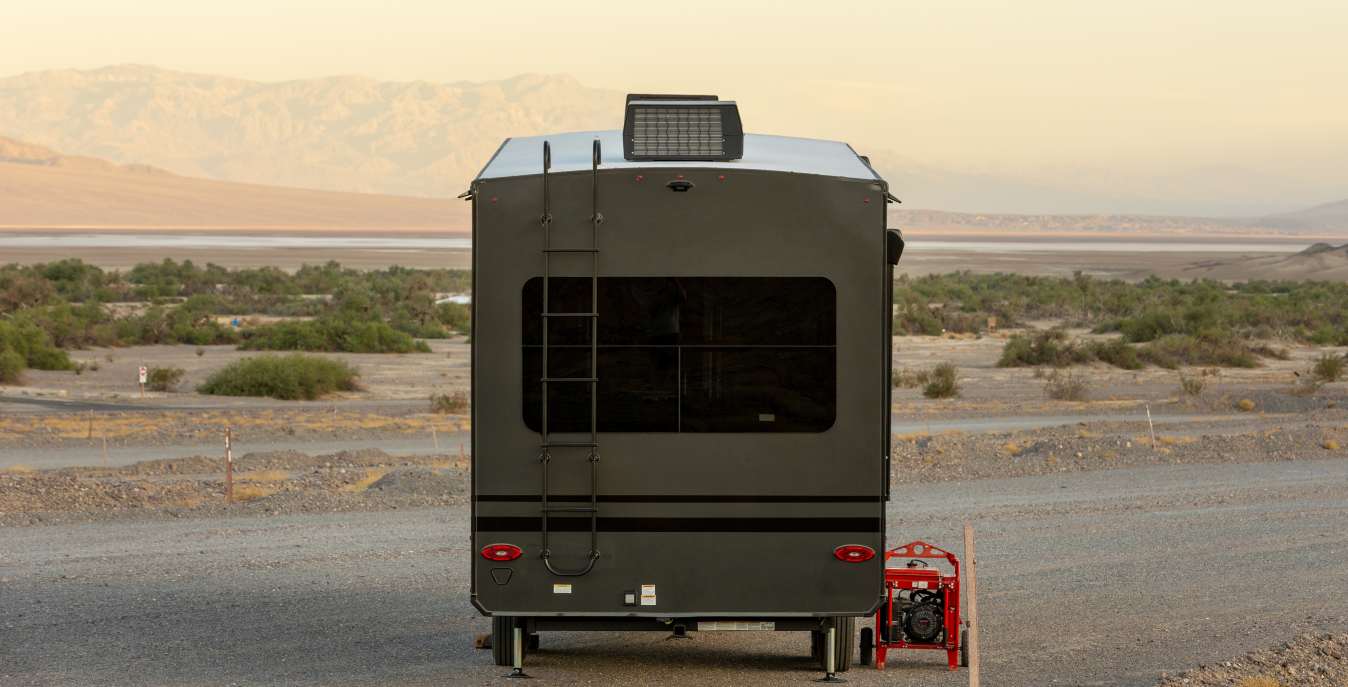
An RV AC upgrade means replacing an existing air conditioner with a more efficient, more reliable, and better-performing unit. RV owners typically consider an upgrade when cooling performance declines, electrical demand becomes unstable, or interior comfort can no longer be maintained. Identifying early indicators of underperformance helps prevent mechanical failure, improve energy efficiency, and return consistent temperature control to the RV.
Upgrading is rarely a spontaneous decision. It usually follows a pattern of recurring issues, like hot spots inside the RV, unusual noises, or a growing list of repairs, that show the air conditioner is no longer meeting the needs of modern travel. Understanding these signs and evaluating the right factors ensures an informed and cost-effective decision.
Shop Furrion Chill® RV Air Conditioners
What Are the Most Reliable Signs That an RV AC Needs an Upgrade?
Early symptoms of decline often begin months before the air conditioner fails outright. By watching for performance changes, RV owners can replace a deteriorating system before it impacts a trip or causes electrical damage.
The AC no longer cools consistently
Inconsistent cooling is one of the most common signals of a declining RV AC system. When the compressor struggles, the unit may run continuously without reaching the thermostat’s temperature setting. This often happens in warm climates or during peak travel months. Even after cleaning condenser coils, replacing filters, or clearing airflow obstructions, older systems may still fail to produce cold air. When a unit cannot lower cabin temperature reliably, despite proper maintenance, its core components are likely wearing out.
The unit produces excessive noise or vibration
Mechanical wear on rooftop AC units creates noticeable sound changes. Grinding or thumping noises often indicate fan motor deterioration, while rattling can suggest loose mounting hardware or imbalanced fan blades. If noise steadily increases season after season, the underlying components may be nearing the end of their service life. Because rooftop vibrations can travel through the RV structure, the experience can be disruptive enough to justify a proactive upgrade.
Energy consumption keeps climbing
Older air conditioners typically use earlier-generation compressors and fans that demand higher power. Rising generator load, voltage drops, or repeated breaker trips indicate the AC system is pulling more current than it should. These symptoms not only affect comfort but also place stress on the RV’s electrical infrastructure. Upgrading to a more efficient system can stabilize power draw, extend generator lifespan, and reduce strain on campground hookups.
Airflow becomes weak or uneven
Weak or inconsistent airflow through ducts suggests problems inside the unit itself. Issues may include blower motor decline, deteriorated evaporator coils, or internal obstructions caused by moisture and debris. If duct cleaning and filter replacement do not resolve the issue, the AC system’s internal ability to circulate air is likely compromised.
Repairs have become routine or expensive
When service calls become increasingly frequent, replacement becomes more cost-effective. Failures involving capacitors, fans, or thermostats often occur in clusters on aging units. After two or more component failures within a season, the long-term cost of maintaining the system typically outweighs the investment in a new AC upgrade. This is particularly true for RVers who travel in high-temperature environments.
The RV AC is more than 8-10 years old
Age alone does not guarantee failure, but it does make performance issues far more likely. Rooftop air conditioners are constantly exposed to sun, temperature swings, dust, vibrations, and road conditions. Even with routine maintenance, the internal components gradually lose efficiency. If an older unit begins to show performance decline, replacement often delivers immediate improvements in temperature stability, energy use, and noise level.
What Factors Should RV Owners Consider Before Replacing an AC?
Deciding to upgrade an RV’s air conditioner involves more than identifying symptoms. RV owners should evaluate several functional factors to ensure the new system aligns with their travel style, climate conditions, and electrical capacity.
Cooling performance for the RV’s interior volume
Cooling requirements vary widely depending on RV size and design. Larger interiors, high ceilings, and multiple slide-outs require more robust airflow and higher cooling output. Even well-insulated RVs can experience significant solar heat gain during midday hours. Matching cooling performance to RV volume is essential to avoid overworking the system or experiencing slow cooldown times.
Energy efficiency and startup power draw
An RV’s power limitations are a major factor in AC selection. Campground circuits, inverter systems, and portable generators all have limits. A modern unit with reduced startup surge can help prevent electrical overload. Energy-efficient systems also support longer boondocking periods by reducing generator strain.
Noise considerations inside the RV
Noise performance affects sleep, conversation, and overall comfort. Older units tend to rely on fixed-speed motors that cycle on and off abruptly. Newer systems often include quieter compressors, smoother fan operation, and improved internal airflow routing. Lower interior noise can dramatically improve the RV experience, especially on hot nights when the AC cycles more frequently.
Rooftop compatibility and installation requirements
Most RV AC replacements use a standard 14x14-inch rooftop opening. However, compatibility still depends on ducting layout, unit height, and weight. Before upgrading, RV owners should confirm their RV roof can support the new system without modification. Lightweight or compact AC units reduce structural stress, especially for older RVs.
Maintenance access and long-term serviceability
A new AC system should be easy to maintain. Accessible filters, straightforward cleaning, and reliable manufacturer support contribute to long-term value. Units designed with fewer failure points can significantly reduce maintenance costs over time.
Why Upgrading an RV AC Improves More Than Cooling
Although temperature control is the most obvious benefit, an RV AC upgrade can address multiple comfort and electrical challenges simultaneously. Modern systems often improve dehumidification, which helps reduce condensation and interior moisture. More efficient airflow can eliminate hot spots that older systems fail to manage. Electrical stability improves because upgraded units typically use less energy, run cooler, and reduce strain on supporting circuits.
Travelers who camp in hot conditions or spend extended time on the road often notice the largest improvements. Faster cooldown times make setup more comfortable, and consistent airflow leads to more stable interior temperatures throughout the day.
Why the Furrion Chill® Cube Is a Strong Upgrade Option
After evaluating the signs and considerations of replacement, choosing the right air conditioner becomes the final step. The Furrion Chill Cube is engineered to address the core frustrations RV owners encounter with aging systems, including inconsistent cooling, high energy use, and disruptive noise.
The Chill Cube is designed for reliable operation, smooth airflow movement, and stable power demand. Its streamlined size and reduced weight help limit structural load on the RV roof, and its performance characteristics support dependable cooling in a variety of climates. For owners dealing with underperforming AC units, the Chill Cube offers a modern, practical solution aligned with today’s RV power and comfort requirements.
FAQs About RV AC Upgrades
1. How long do RV AC units typically last?
Most units last 8-10 years when maintained regularly. Weather exposure, vibration during travel, and long-term use can shorten this lifespan.
2. Is it better to repair or upgrade an older AC unit?
Minor issues are often repairable, but repeated failures or declining cooling performance usually indicate a full replacement is the more reliable option.
3. What size AC is best for a larger RV?
Cooling needs vary by RV length, interior volume, and insulation quality. Higher-output systems are often necessary for warm climates or large floor plans.
4. Does a new AC lower energy consumption?
Modern units often use more efficient compressors and fans, which help stabilize power draw and reduce strain on generators.
5. Can a new AC reduce noise inside the RV?
Many modern units offer improved noise performance due to refined airflow paths and quieter internal components.
6. Does ducted or non-ducted installation matter?
Both work effectively, but the choice depends on the RV’s existing ventilation layout and the owner’s airflow goals.
7. Will a soft-start device still be needed?
This depends on the generator’s capacity and the AC’s startup characteristics. Some systems draw lower starting current than older models.
Why Does My RV AC Keep Running?
Can You Run Your RV AC on Battery Power?